


There’s a stage most growing workshops hit.
The jobs get bigger.
Clients expect more detail.
Tolerances matter more.
And “we’ll sort it out on the floor” starts costing time.
If you’re a fabricator or manufacturer in the Central West or broader regional NSW, you’ve probably felt that shift.
You might not need a full-time CAD designer sitting in the office five days a week. But once the work steps up a level, you do need proper CAD drawings.
The Middle Ground Most Workshops Sit In
The very small operators can often work off experience and rough sketches.
The larger manufacturers usually have an in-house CAD designer or engineer.
But there’s a big middle ground across regional NSW – workshops that are:
- Growing steadily
- Quoting more complex work
- Taking on commercial or council jobs
- Working with laser cutters or external suppliers
- Wanting tighter systems without carrying corporate overheads
That’s where proper CAD drawings start to matter.
Not because things are failing – but because you’re moving up a level.
Where Things Quietly Get Expensive
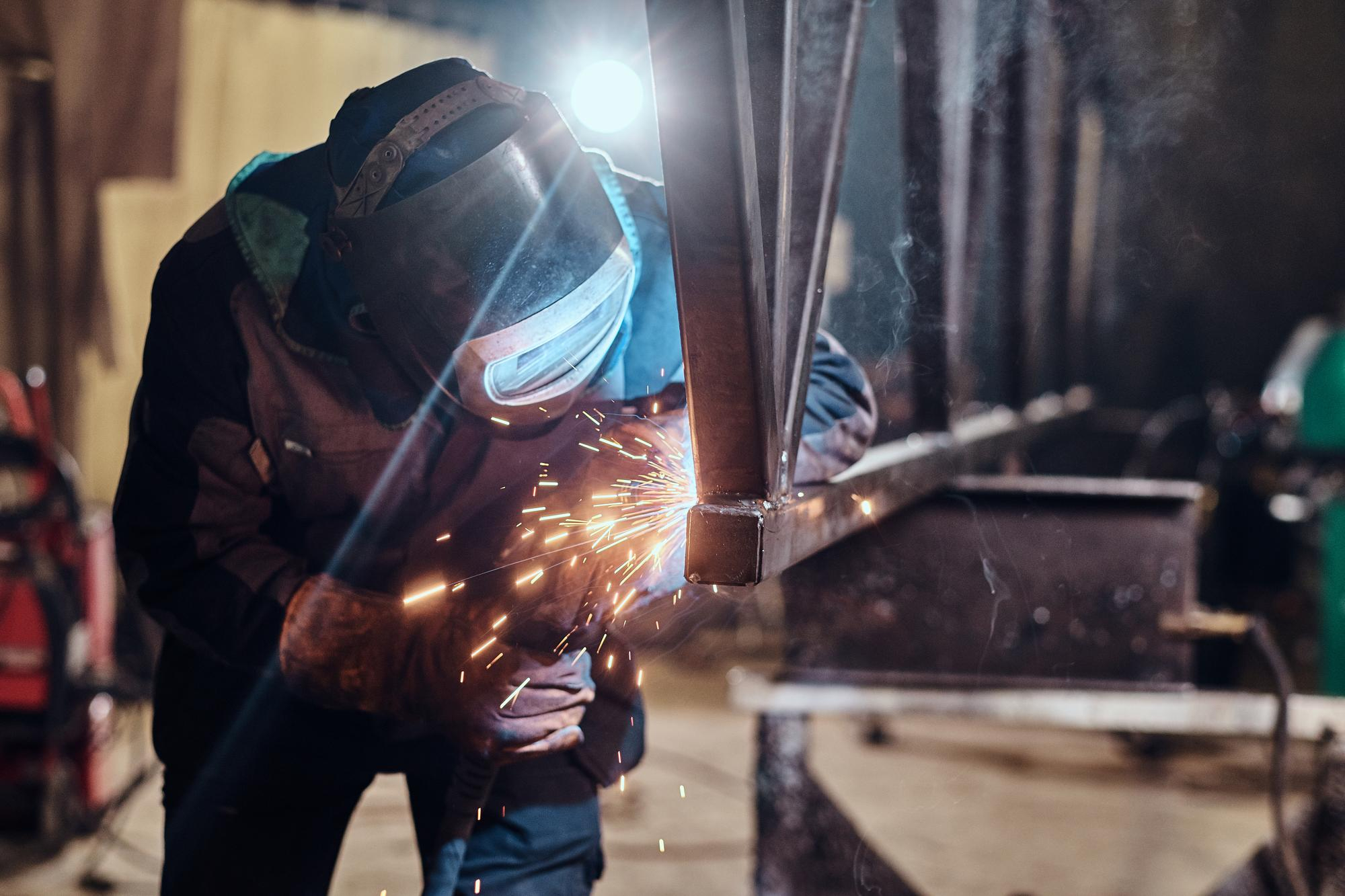
Working things out on the floor feels efficient – until it isn’t.
Steel gets cut wrong.
Holes don’t line up.
Parts need rework.
Labour hours creep up.
Margins quietly shrink.
Those mistakes rarely show up in the quote. They show up afterwards.
Clear, dimensioned CAD drawings remove that guesswork.
They give your team something solid to work from before anything is cut, welded, or ordered.
It’s not about overcomplicating jobs.
It’s about tightening them up.
When You Start Quoting Bigger Work
There’s also the point where you want to step into larger projects.
Maybe it’s council work.
Maybe it’s commercial builders.
Maybe it’s bigger agricultural operators around the Central West.
That’s usually when you get asked for proper documentation.
Not a hand sketch.
Not “we’ve built plenty of these.”
Actual CAD drawings that someone else can review, approve and rely on.
If you want to move into that level of work, your documentation has to move with you.
This is where flexible support from an experienced CAD designer can make sense – especially for regional NSW businesses that don’t have a consistent enough workload to justify hiring full-time.
Why Full-Time Doesn’t Always Stack Up
Hiring a full-time CAD designer or engineer means:
- Salary and super
- Software licences
- Equipment
- Ongoing workload to justify the role
For many Central West fabrication and manufacturing businesses, design work comes in waves. Some months are heavy. Others are steady.
Carrying a full-time wage year-round doesn’t always make commercial sense.
Accessing CAD support when you need it – and scaling it back when you don’t – often works better.
What Proper CAD Drawings Actually Do for Growth
Good CAD drawings aren’t about making something look impressive on a screen.
They:
- Allow more accurate quoting
- Reduce material waste
- Cut down rework
- Improve communication with suppliers
- Create digital records for repeat jobs
- Make design changes easier to manage
More importantly, they turn knowledge in someone’s head into a documented process.
And, a documented process is what allows a workshop to grow without everything relying on one or two key people.
Scaling isn’t just about getting more jobs.
It’s about stepping back and assessing where your business is heading.
There’s some practical guidance on business.gov.au around researching, planning, and preparing for growth – looking at capability, systems, and capacity before you push into bigger work.
https://business.gov.au/guide/growing?section=Researchandplan
Clear, structured CAD drawings form part of that preparation. They make work repeatable, quotable, and easier to manage as volume increases.
That’s how regional NSW workshops move from being busy… to being properly set up.
If You’re in That In-Between Stage
If you’re too established to keep winging it, but not big enough to justify a full-time CAD designer, you’re not alone.
A lot of fabrication and manufacturing businesses across the Central West sit right in that space.
Sometimes it’s not about getting bigger.
It’s about getting clearer – with proper CAD drawings that support the level you’re already working at.
If you’d like to talk through how flexible CAD support could work for your business in regional NSW, feel free to reach out.
Tight systems make strong businesses.