



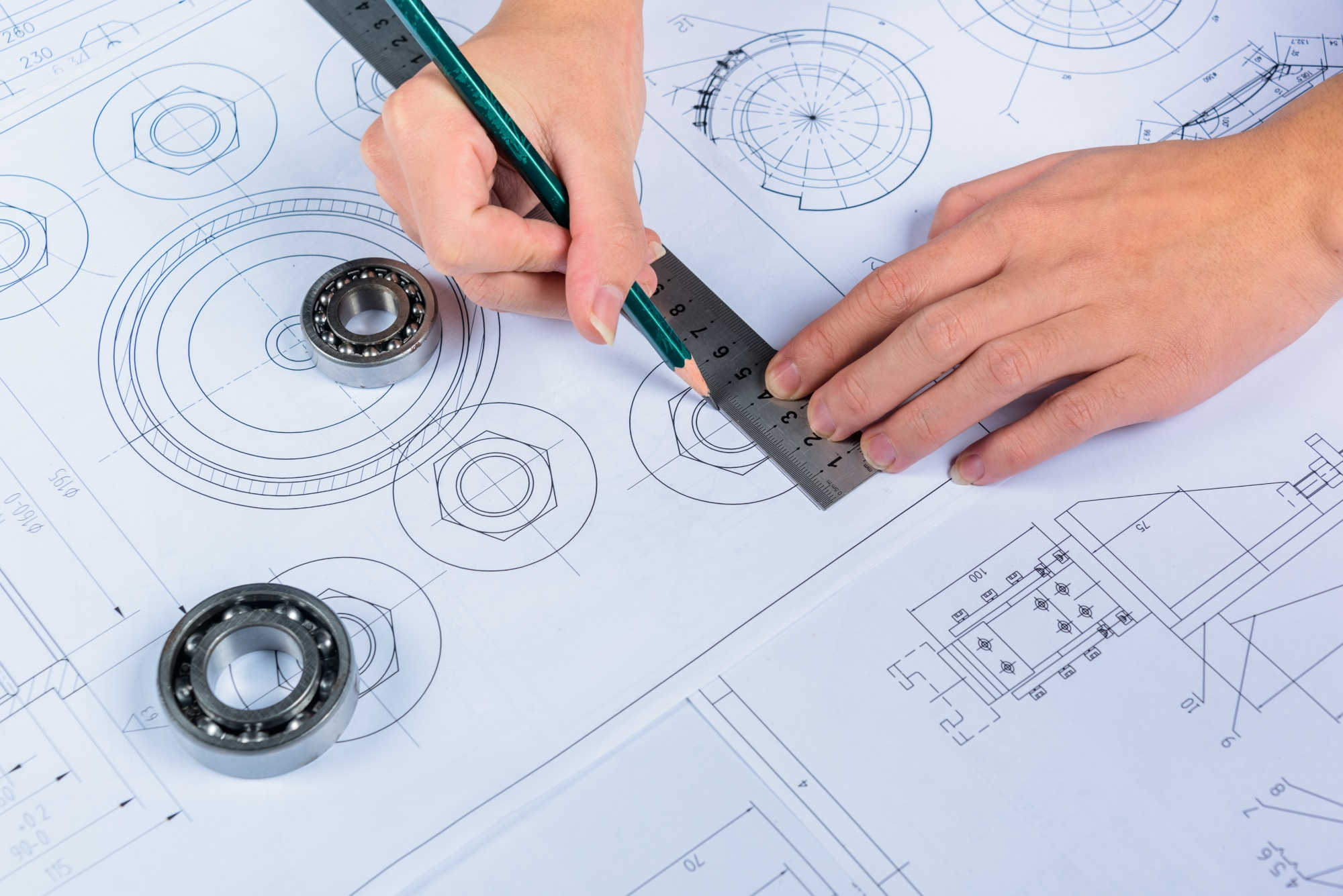
Getting a product designed properly is the first step in turning an idea from a rough sketch into something you can prototype, test, or fabricate. Whether it’s a farm tool, a bracket, an attachment, or a completely new invention, good design reduces cost, speeds up the build, and prevents expensive mistakes.
Here’s how the process works.
Step 1 – Start With the Problem, Not the Product
Most ideas come from solving a problem.
The design should always start with:
- What it needs to do
- What forces it’ll face
- How it will be used
- What it attaches to
- How strong it needs to be
Clear goals = clean design.
Step 2 – CAD Modelling Brings the Idea to Life
A CAD model helps:
- Check clearances
- See how parts fit
- Test movement
- Analyse structure
- Visualise the job
CAD is where most problems get solved early.
Step 3 – Make Your Product Designed Buildable
Designs must suit real workshops.
That means:
- Correct plate sizes
- Logical welds
- Proper tolerances
- Steel that’s available
- Practical assembly
If fabricators can’t build it, it’s not designed.
Step 4 – Prototype and Test
A prototype lets you:
- Test the product in real conditions
- See what fails
- Adjust weak points
- Improve strength
- Simplify the build
Every great product goes through iteration.
Step 5 – Produce Final Drawings for Fabrication
You now need fabrication drawings that show:
- Dimensions
- Materials
- Weld details
- Assembly steps
- BOM
- Tolerances
This is where the idea becomes reality.
If you’re thinking about protecting your idea down the track, IP Australia has straightforward info on patents and designs that’s easy to understand.