



I’ve seen plenty of good ideas turn into headaches once they hit the workshop. What looks perfect on the computer can quickly become a nightmare to build if the design isn’t thought through properly.
That’s why I always talk about Design for Manufacturing — or DfM for short. It basically means designing something that makes sense to the bloke actually building it.
Keep it practical
A good design doesn’t need to be complicated. Every extra cut, bend or weld adds time and cost. The simpler it is — while still being strong and functional — the better.
Good Design for Manufacturing takes into account:
- the tools you’ve actually got
- the material sizes your supplier carries
- the way your welds will be positioned
- how easily a fabricator can assemble each part
I always try to design with the gear you can actually get your hands on — not fictional materials or perfect workshop conditions.
Build it digitally before you build it in steel
This is where SolidWorks comes in.
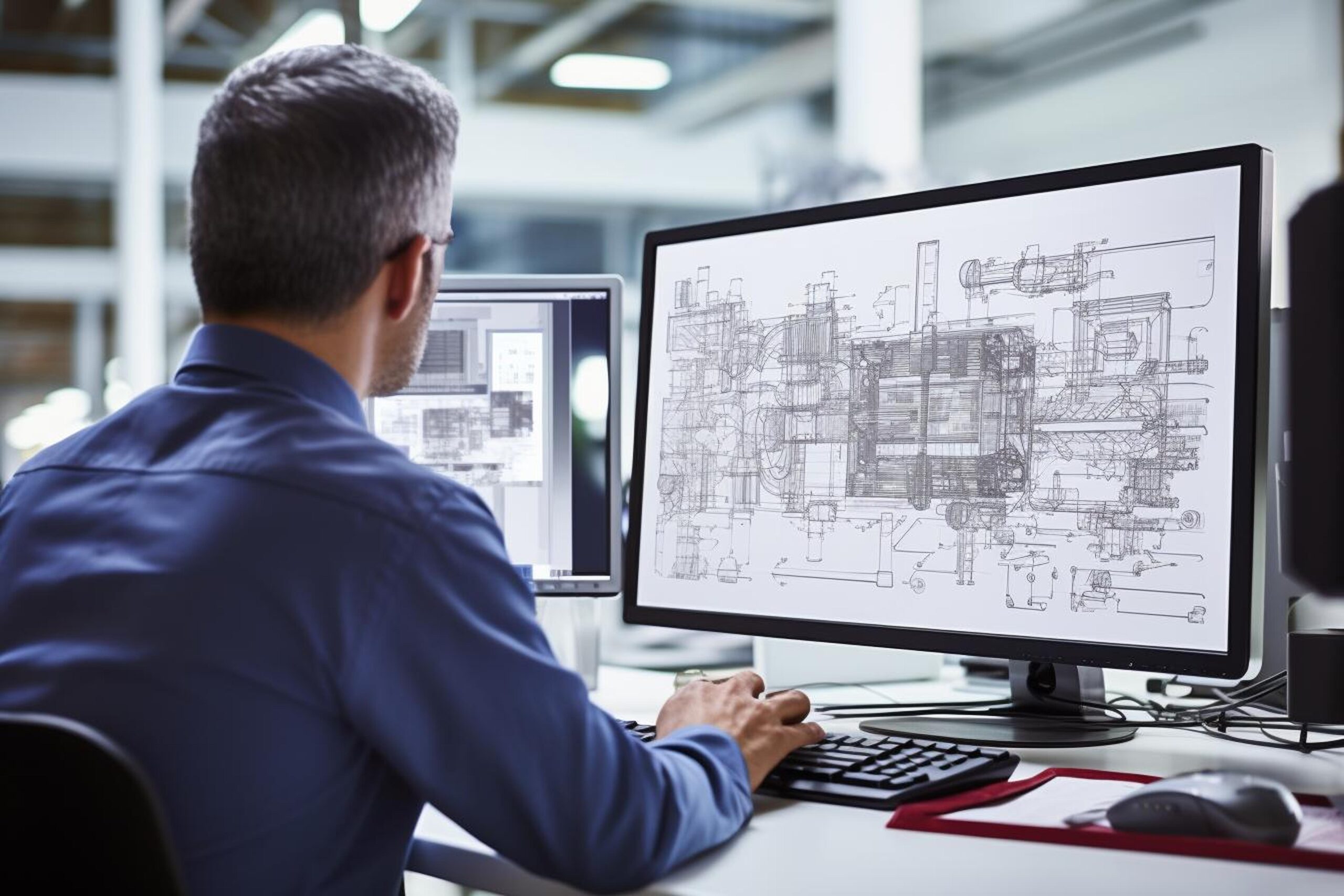
A proper 3D model helps you spot problems before your fabricator does — clearance issues, tight fits, awkward welds, or bolt access that looks fine on a screen but impossible in a shed.
A core part of Design for Manufacturing is solving these problems early, when fixing them doesn’t cost a thing.
Reduce rework and wasted plate
Nothing blows out a job like having to redo something because the design wasn’t realistic.
DfM aims to keep things:
- simple to cut
- easy to assemble
- strong where they need strength
- cost-effective without cutting corners
Workshop-ready designs mean less standing around, less confusion and less wasted steel.
Make life easier for your fabricator
A fabricator shouldn’t have to guess what you meant.
Clear drawings with weld symbols, hole sizes, bend lines and views that show the real story make a huge difference.
Good Design for Manufacturing removes the guesswork so your job moves smoothly through the workshop.
If you want more insight, Australian Manufacturing Forum often shares practical articles about machining, fabrication and real-world DfM improvements.
Need help applying Design for Manufacturing to your project?
If you’ve got something in mind — even just an idea on paper — I can help turn it into a practical, buildable concept using Design for Manufacturing principles.
Straightforward, strong and ready for the shop floor.