


Your full guide to the R&D process in Agriculture and Manufacturing…
In regional Australia, R&D doesn’t happen in shiny labs.
It happens in sheds, workshops, paddocks, fabrication shops, and factory floors – usually because someone has hit a problem and thought, “There has to be a better way to do this.”
That’s what Research and Development (R&D) really is.
It’s the thinking, testing, trialing, and refining that happens when you’re designing something new – or improving something that already exists – before you fully commit time and money to building it.
In agriculture and manufacturing especially, skipping R&D usually shows up quickly:
- Breakdowns
- Downtime
- Safety issues
- Wasted materials
- Or, gear that just doesn’t last.
What R&D Actually Means (In Plain English)
From a government point of view, R&D is defined as planned and systematic work where the outcome isn’t known in advance, and where testing is needed to work out the solution.
From a real-world point of view, that just means:
- You don’t already know the answer
- You need to try things
- You expect some ideas won’t work
- You adjust as you go
That applies just as much to a new piece of ag equipment or a manufactured component as it does to software or science.
The Australian Government actively encourages this type of work because it leads to:
- Better productivity
- Stronger local manufacturing
- More competitive businesses
- Smarter use of resources
That’s why programs like the R&D Tax Incentive exist – to support businesses that are willing to invest in innovation and problem-solving, even when the outcome isn’t guaranteed. https://business.gov.au/industry.gov.au
R&D in Agriculture: Designing for the Real World
Agricultural products live a hard life.
They deal with dust, mud, heat, vibration, heavy loads, long hours, and operators who don’t have time for fiddly or fragile gear. Good R&D in ag design is about accepting that reality early – not discovering it after something fails.
What ag R&D actually looks like
In agriculture, R&D might involve:
- Designing equipment that works across different soil types
- Testing clearances so material doesn’t clog or bind
- Strengthening high-wear areas without overbuilding everything
- Making maintenance easier in the paddock
- Designing for regional repairs, not city-only servicing
- Ensuring something can be safely and easily operated from existing machinery
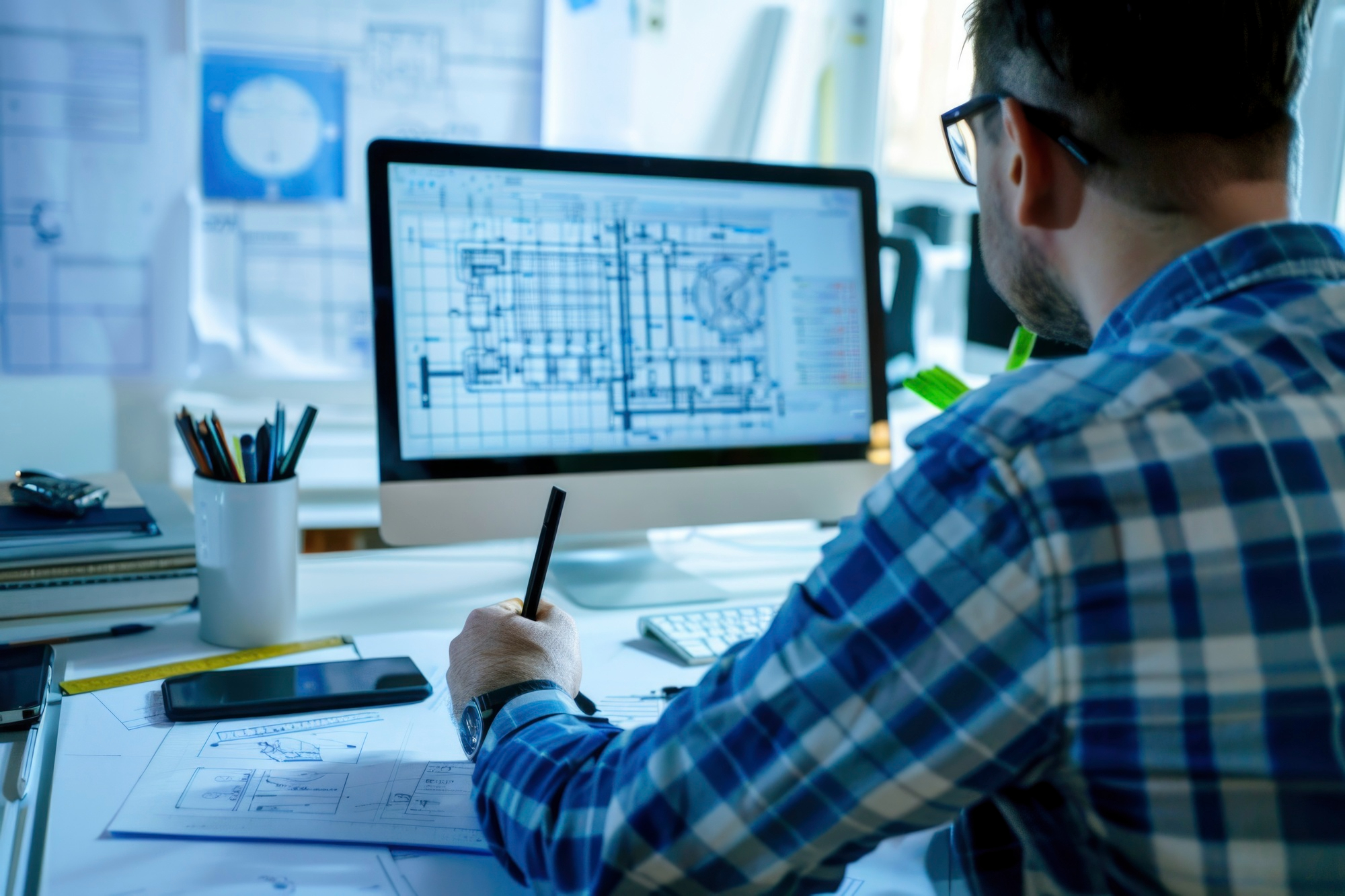
This is where CAD design plays a big role. Instead of building and rebuilding physical prototypes, ideas can be tested digitally first – checking fit, reach, movement, strength, and access.
Good R&D helps make sure equipment works where it’s actually used, not just where it’s designed.
R&D in Regional Manufacturing: Getting It Right Before Production
In manufacturing, mistakes multiply fast.
If there’s a design flaw, it doesn’t just cost money once – it costs money every time the product is made. That’s why proper R&D upfront is critical, especially for small to mid-sized regional manufacturers.
Manufacturing-focused R&D might include:
- Simplifying designs to reduce fabrication time
- Reducing material usage without sacrificing strength
- Adjusting tolerances to suit local machinery and skills
- Improving assembly speed and consistency
- Designing parts to suit CNC, laser cutting or local fabrication
- Building in safety and compliance from the start
A good CAD designer helps identify these issues early – before production begins, when changes are cheaper and easier to make.
That’s practical R&D: saving time, reducing waste, and improving outcomes long-term.
Why CAD Is So Important in R&D
CAD isn’t just about drawing things neatly. In R&D, CAD is a problem-solving tool.
It allows you to:
- Test multiple design options quickly
- Make changes without starting from scratch
- Spot clashes or weaknesses early
- Design with manufacturing and assembly in mind
- Reduce the number of physical prototypes needed
For agriculture and manufacturing businesses, this means:
- Less trial-and-error in the workshop
- Fewer surprises once production starts
- Better communication with fabricators and suppliers
- Stronger, more reliable products
CAD helps turn ideas into something that can actually be built – and built well.
What Does R&D Cost?
R&D isn’t free, but it’s usually far cheaper than fixing problems later.
Typical R&D costs include:
- CAD design and engineering time (this is where I come in)
- Prototyping and testing
- Time spent refining and documenting designs
The Australian Government recognises these costs and encourages businesses to invest in R&D through initiatives like the R&D Tax Incentive, which can help eligible businesses offset some of this expenditure.
Importantly, R&D doesn’t have to be groundbreaking or high-tech to qualify – it just needs to involve genuine technical uncertainty and systematic problem-solving.
https://business.gov.au/
Why Planning Is Everything
Most failed R&D projects don’t fail because of bad ideas – they fail because of poor planning.
Before starting a new design, it’s worth asking:
- What problem are we solving?
- Who is this actually for?
- What conditions will it be used in?
- What does “working properly” look like?
- How will it be manufactured and maintained?
Government guidance around R&D consistently stresses that activities should be planned, documented, and methodical – not because of paperwork, but because structure improves outcomes.
In the real world, good planning:
- Reduces rework
- Saves money
- Speeds up development
- Improves reliability
- Makes scaling easier
Thinking Outside the Box – Without Losing Touch with Reality
Innovation doesn’t mean chasing clever ideas for the sake of it.
The best R&D in agriculture and manufacturing happens when creativity is balanced with:
- Practical experience
- Real-world testing
- Manufacturing knowledge
- Willingness to adjust when something doesn’t work
R&D isn’t about perfection – it’s about reducing risk and building confidence that a product will do what it’s meant to do, where it’s meant to do it.
R&D is what turns ideas into workable products
For agriculture and manufacturing businesses, it’s the difference between something that looks good on paper and something that lasts in the real world. When combined with good CAD design and proper planning, R&D helps businesses build better, stronger, and more reliable products – while avoiding costly mistakes.
If you’re serious about designing something new – or improving something existing – R&D isn’t optional. It’s the foundation everything else is built on.
If you need a hand with your R&D design or any other questions – give me (Jamie) a call on 0437 842 539