



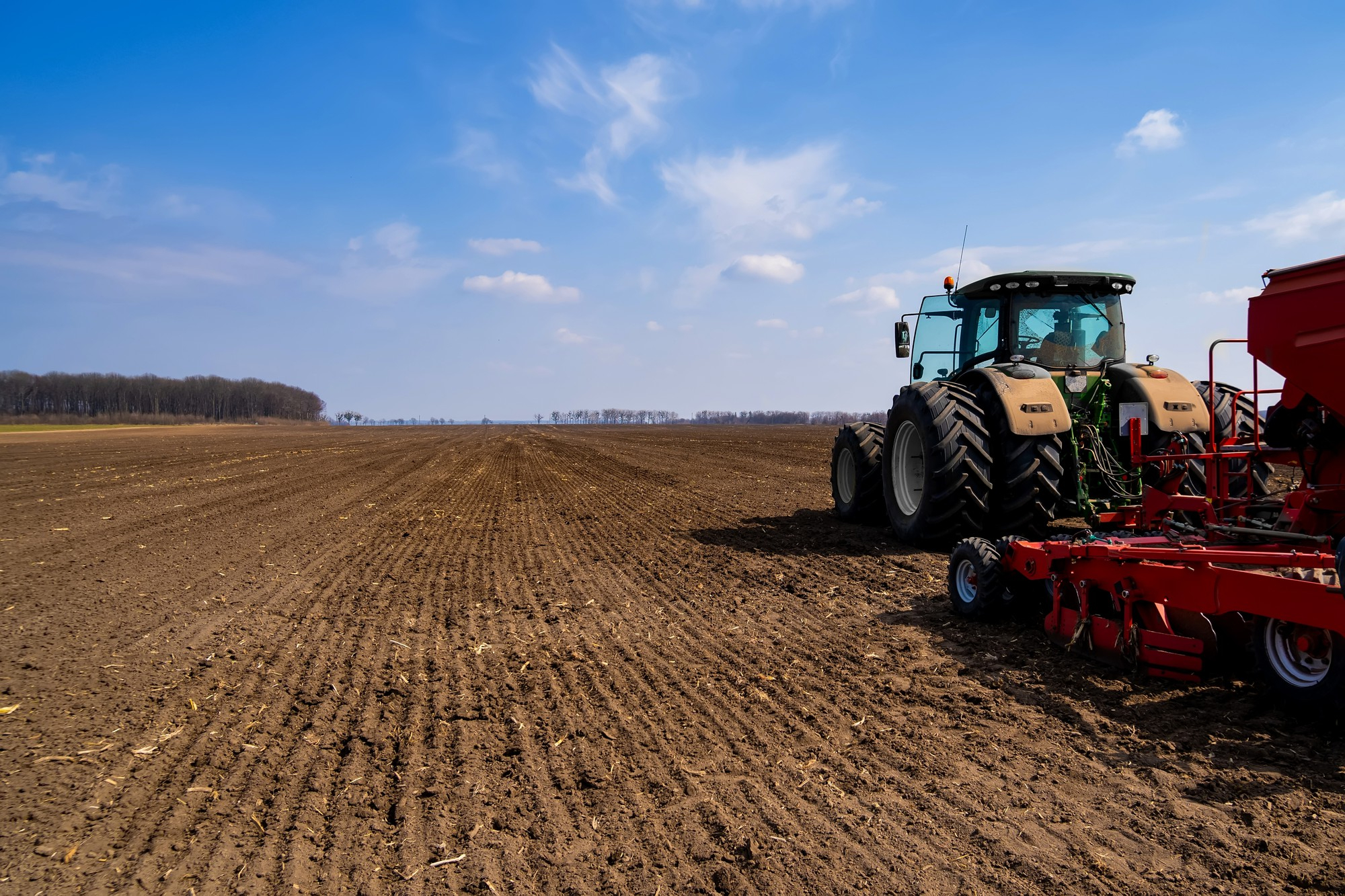
Good farm equipment design is all about strength, simplicity, and reliability. Farm gear gets hammered – mud, vibration, load, heat, dust, rocks, and sometimes operator “creativity”. If something hasn’t been designed with real farm conditions in mind, it won’t last.
Here’s how proper farm equipment design leads to tougher machinery and easier fabrication.
Simple Designs Are Stronger Designs
Over-complicated equipment breaks.
Farm design should focus on:
- Fewer moving parts
- Easy-to-get materials
- Straightforward fabrication
- Durability overlooks
- Simple repairs
Farmers want gear they trust, not gear they babysit.
Materials Matter in Farm Equipment Design
Material choice affects:
- Weight
- Strength
- Flex
- Corrosion resistance
- Cost
- Weldability
The wrong plate thickness or poor steel grade can ruin a job.
Designing for the Tools Fabricators Actually Have
Regional workshops don’t all have THE LATEST:
- CNC brake presses
- Waterjet cutters
- Laser cutters
- Large section and plate rollers
So, designs for local manufacturing must match the available equipment.
Wear Points Must Be Planned Early
Anything that hits dirt, rock, or timber needs:
- Wear plates
- Reinforcement
- Proper weld access
- Replaceable components
Planning for wear = longer life.
Real-World Testing Saves Money
Prototypes should be:
- Used in real paddocks
- Tested under load
- Driven hard
- Modified quickly
Farm gear either survives… or it breaks.
Testing shows which one.
If you need equipment designed, start early with clear goals and workshop-friendly drawings. Give me (Jamie) a call, and we can talk through the process.
For anyone working with machinery on-farm, the NSW DPI has some helpful information around safety and equipment use that’s well worth reading.
Visit: https://www.dpi.nsw.gov.au/