


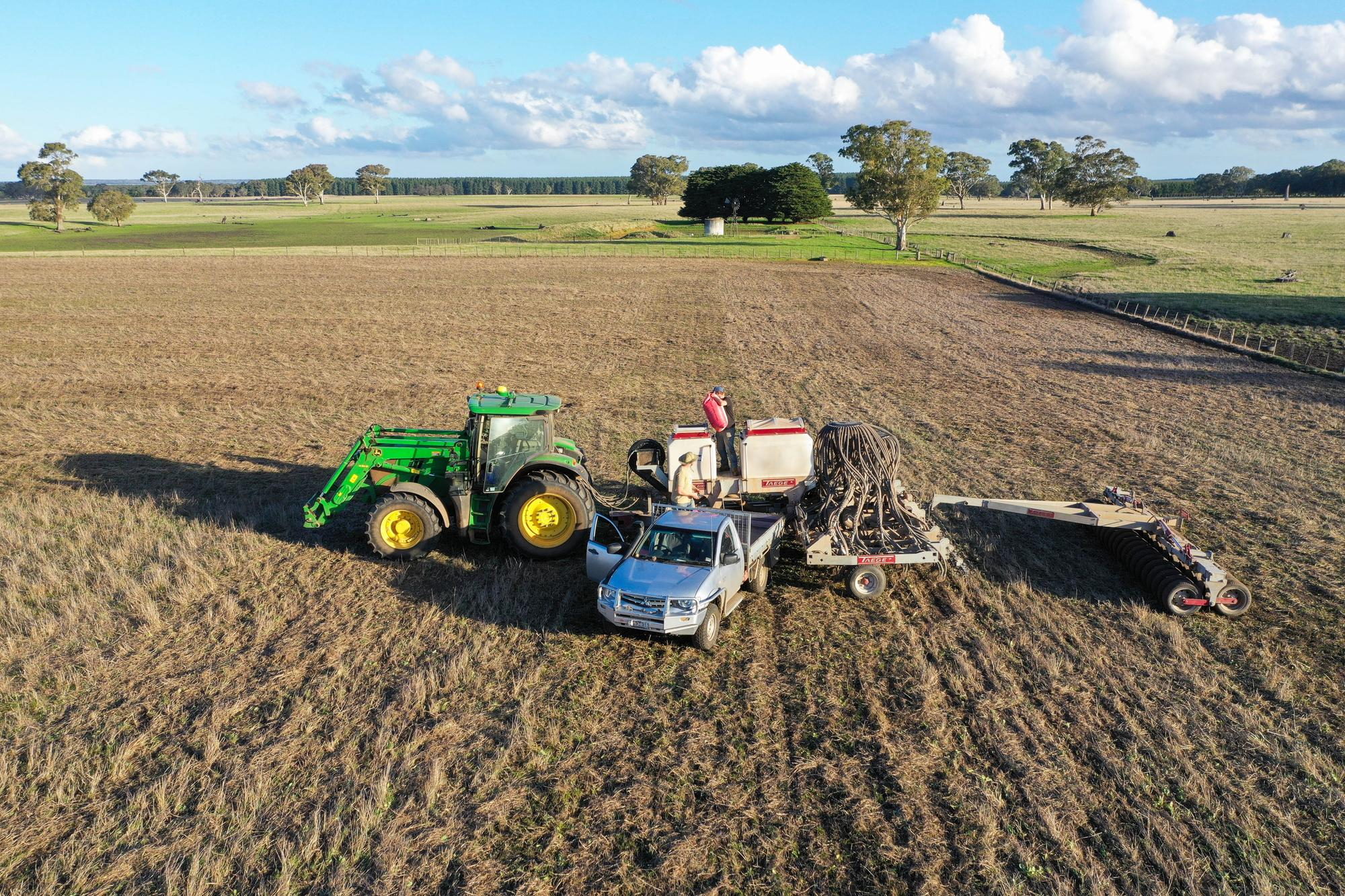
Working in agriculture, fabrication, transport, or manufacturing across the Central West means dealing with conditions most city-based designers never see. Dust. Vibration. Heat. Uneven ground. Ageing machinery. Long working days. Out here, weak gear and poorly thought-out setups don’t take long to show themselves.
Every farm and workshop runs a little differently.
What works for the bloke down the road might not work for you.
That’s why custom CAD design is becoming less of a “nice-to-have” and more of a practical tool for getting work done efficiently in regional NSW.
Below are five real-world problem areas we’re seeing across Dubbo, Orange, Geurie, and the wider Central West and Orana regions – and how practical design is helping solve them.
1.When standard parts just don’t last
Out here, equipment doesn’t live an easy life. Constant vibration, dust, heavy loads, and weather extremes quickly find the weak points in off-the-shelf components. Brackets crack. Mounts bend. Wear parts disappear faster than they should.
This is where custom design earns its keep. With CAD, parts can be strengthened where stress actually occurs, designed for the way your machine is used, and built from materials that suit real working conditions – not showroom ones. The result is simple: longer service life and less downtime when you can least afford it.
If you’re curious about the technical side of designing for harsh environments, Engineers Australia has useful guidance on mechanical design considerations here:
https://www.engineersaustralia.org.au/resources/resource-centre/technical-documents
2.When equipment almost fits, but not quite
Most farms and workshops end up running a mix of machinery brands collected over time.
New attachments, guards, or upgrades often nearly fit – which usually means drilling, welding, or modifying on the fly just to get going.
That “she’ll be right” approach works… until it doesn’t.
CAD modelling changes that. Existing equipment is measured properly, attachments are designed to suit the machine you already own, and clear fabrication drawings mean the first build is the right build. No trial and error. No wasted workshop hours. No missed opportunities during busy periods.
The Australian Steel Institute explains how modern fabrication relies on digital drawings and cut files. If you’d like a deeper look:
https://www.steel.org.au/resources/fabrication/
3.When spare parts no longer exist
Plenty of farms and workshops across Central West NSW still run older machinery that does a solid job. The only problem? The manufacturer stopped making parts years ago.
When something breaks, the options usually come down to expensive full replacement… or a risky improvised fix.
CAD offers another path. Broken components can be measured, modelled, and turned into accurate drawings so local fabrication shops can reproduce the part properly. It keeps reliable equipment working longer and saves replacing machines that still have plenty of life left in them.
NSW Farmers regularly highlight machinery longevity and repairability as critical for farm productivity:
https://www.nswfarmers.org.au/
4.When workshop jobs take longer than they should
Ask any fabrication or mechanical workshop owner, and you’ll hear the same thing – time disappears fast.
Measuring twice.
Holding parts in place.
Lining things up.
Repeating the same steps again and again.
Sometimes the solution isn’t a new machine – it’s a simple, well-designed jig, fixture, or work table. CAD allows these small but mighty solutions to be drawn up properly so they’re easy to build and repeat. A few minutes saved on every job quickly adds up across a season.
Safe Work Australia also points out that well-designed workstations reduce strain and improve productivity: https://www.safeworkaustralia.gov.au/resources
5.When an idea needs to be turned into something real
Some of the best innovations in regional NSW start the same way:
“This keeps breaking.”
“This takes too long.”
“There has to be a better way.”
CAD bridges the gap between a rough idea and a fabrication-ready solution. A sketch or photo becomes a 3D model. That model becomes dimensioned drawings. Those drawings become something a local fabricator can quote and build with confidence.
For anyone exploring product ideas or prototypes, business.gov.au has helpful guidance on developing new products in Australia: https://business.gov.au/innovative-business/innovation
Ready to Solve a Problem Properly?
If you’ve got a piece of farm equipment that needs improving, a discontinued part that needs replacing, or a workshop process that could run a bit smoother – that’s where a CAD project begins – and where I can help.
Shoot through a sketch, a photo, or give me a call, and we’ll work through the problem together.
Call me (Jamie) on 0473 842 439